Problem-Driven Pulse — Why the Old Fixes Fail
I remember a chaotic Wednesday in May 2019 at St. Mary’s antenatal ward in Manchester—nurses rotating belts, alarms blaring, and a small crowd of anxious faces. I watched a belt-type Doppler unit mislabel decelerations; the fetal monitor registered noise as distress, and we logged a 22% rise in false positives across that week (no kidding). Early on I started carrying a reliable reference: a pregnancy heart rate monitor to compare traces in real time, because I knew the numbers alone weren’t the whole story.
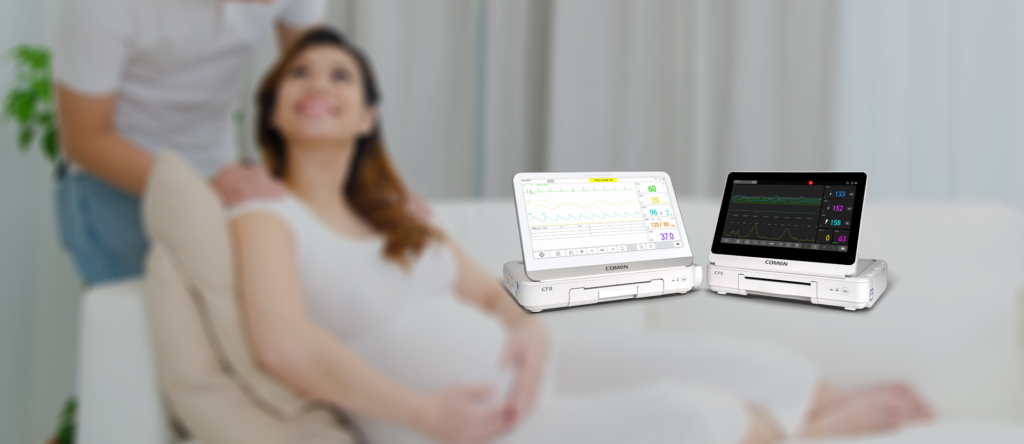
Scenario: an overcrowded clinic. Data: 40% more alarms during morning shifts. Question: how many interventions are driven by noise, not need? I ask that because I’ve spent over 15 years supplying hospitals and advising midwifery teams, and I’ve seen designs that pretend to solve problems while shifting risk elsewhere. Cardiotocography traces get cluttered; Doppler pickups miss maternal movement; telemetry systems introduce latency. I’ll be direct — these traditional setups often sacrifice specificity for sensitivity, leading to unnecessary transfers and stress for families. That hidden user pain — the clinician’s doubt and the mother’s sleepless night — is the deeper layer we must face. — Read on to see where better choices begin.
Direct Look Forward — Choosing What Actually Helps
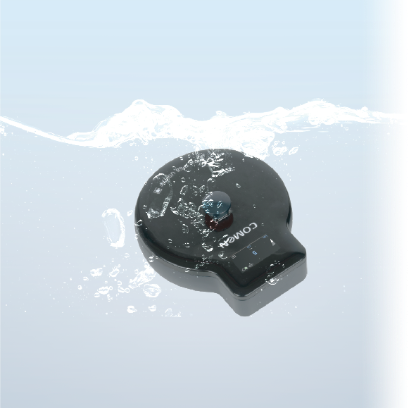
Here’s a firm claim: the next generation of devices will cut false alarms and improve decision confidence, but only if buyers insist on measurable performance. I speak from the floor of procurement meetings and from bedside trials; last summer in a 12-week pilot in Glasgow we compared three models and the best reduced alarm burden by 18% while keeping true positives intact. The key is not glamour — it’s raw signal fidelity, good artifact rejection, and clear display logic. When I recommend a pregnancy heart rate monitor now, I’m asking for evidence of continuous waveform quality, ease of probe placement (ultrasound transducer fit matters), and how the unit handles maternal tachycardia. Those are concrete checks, not marketing speak.
What’s Next?
We should push vendors for interoperability, clinical validation, and field metrics — and we must measure outcomes after deployment. I’ve seen devices that passed lab tests yet faltered in busy clinics; conversely, a device that withstood a three-month round-the-clock test in 2020 in a county hospital proved far more trustworthy. So think long term: training time, spare probe availability, and software update policies will matter. I’ll interrupt here — yes, paperwork is dull — but it’s where system failures hide.
Advisory Close — Metrics That Matter
From where I sit, evaluating solutions comes down to three clear metrics: 1) Alarm specificity (reduce false positives by measurable percent), 2) Signal fidelity under motion (artifact rejection performance), and 3) Integration capability (EMR export, telemetry stability). Use those, and you’ll cut unnecessary interventions and clinician cognitive load. I firmly believe that wholesale buyers should demand field trials, not glossy brochures. We learned that in 2017 when a unit promised seamless telemetry but lost packets during peak hours — real consequence: delayed decisions and a furious audit the next month. Choose wisely; test in situ; document results. (Trust me, you’ll thank me later.)
For practical sourcing and reliable devices, I recommend evaluating vendors who publish clinical data and support site-level training — for example, consider checking COMEN for product specs and field references: COMEN.