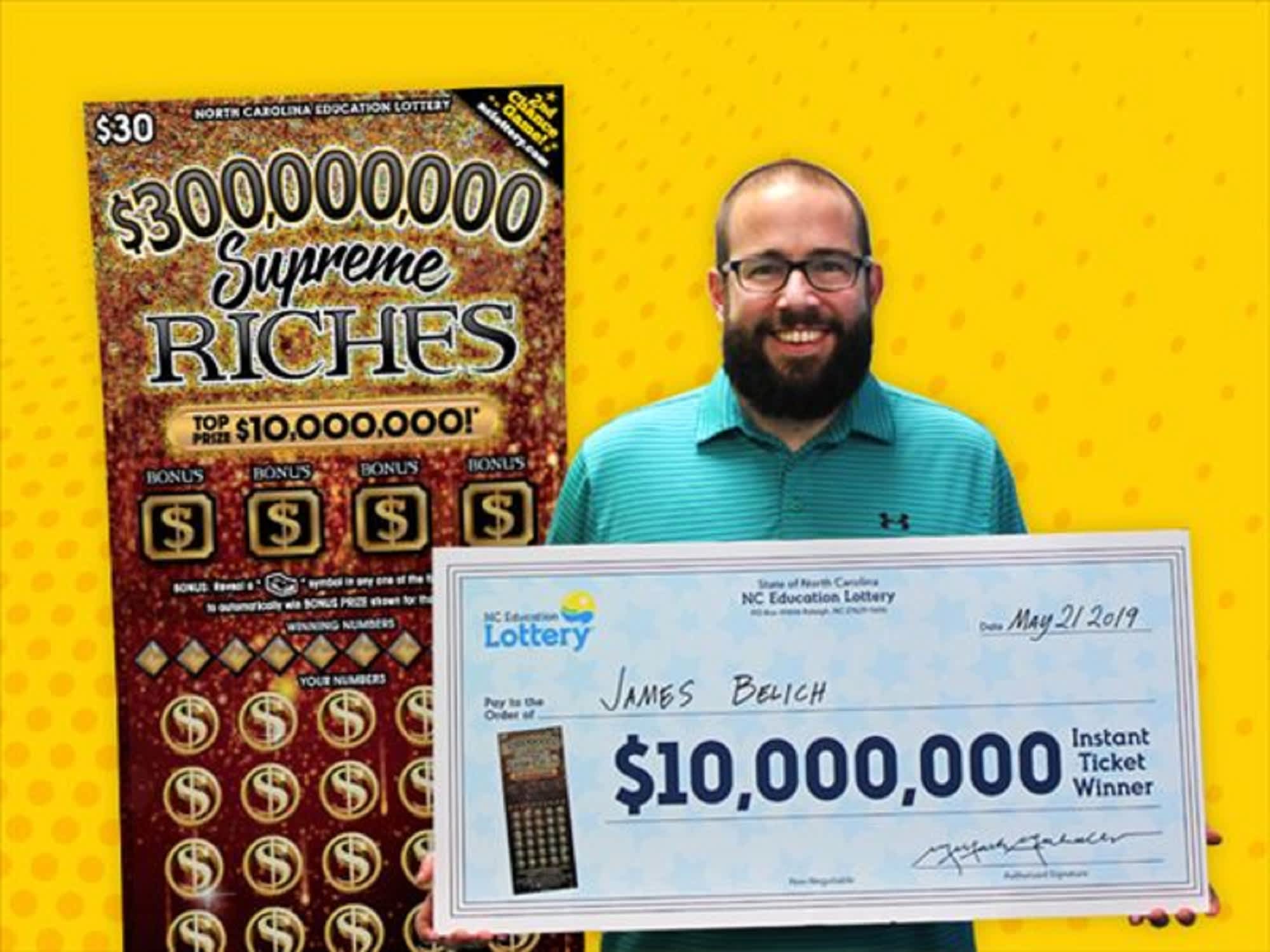
Lotteries, with their promise of instant wealth and life-changing jackpots, can be enticing to many individuals. However, for some, what starts as harmless entertainment can spiral into a debilitating addiction. Lottery addiction, like any form of gambling addiction, can have serious consequences on an individual’s Toto Macau financial, emotional, and psychological well-being. In this article, we’ll explore the dark side of lottery addiction, its causes, signs, and consequences, and provide strategies for coping and seeking help for those affected.
Understanding Lottery Addiction:
Lottery addiction, also known as compulsive gambling disorder, is a behavioral addiction characterized by an uncontrollable urge to gamble, despite negative consequences. Like other forms of addiction, lottery addiction can hijack the brain’s reward system, leading individuals to seek out the thrill of gambling at the expense of their health, relationships, and financial stability. While lottery addiction may start innocently as a form of entertainment, it can quickly escalate into a destructive cycle of compulsive gambling and loss.
Causes of Lottery Addiction:
The causes of lottery addiction are complex and multifaceted, with a combination of biological, psychological, and environmental factors at play. Some potential causes and risk factors for lottery addiction include:
Biological Factors: Genetic predisposition and differences in brain chemistry may contribute to an individual’s susceptibility to addiction.
Psychological Factors: Underlying mental health issues, such as depression, anxiety, or trauma, can increase the risk of developing a gambling addiction.
Environmental Factors: Exposure to gambling at an early age, peer pressure, and social influences can influence the development of addictive behaviors.
Reinforcement: The intermittent rewards and unpredictable nature of lottery games can reinforce addictive behavior and make it difficult to break the cycle of gambling.
Signs and symptoms of Lottery Addiction:
Recognizing the signs and symptoms of lottery addiction is the first step towards seeking help and recovery. Some common signs of lottery addiction include:
Preoccupation with Gambling: Constantly thinking about gambling, planning future gambling sessions, or obsessively checking lottery results.
Loss of Control: Inability to control or stop gambling, despite repeated attempts to cut back or quit.
Financial Problems: Experiencing financial difficulties, such as mounting debt, unpaid bills, or borrowing money to finance gambling.
Emotional Distress: Mood swings, irritability, anxiety, or depression related to gambling losses or the inability to gamble.
Relationship Strain: Strained relationships with family members, friends, or colleagues due to gambling-related behaviors and conflicts.
Consequences of Lottery Addiction:
Lottery addiction can have devastating consequences on an individual’s life, affecting their financial, emotional, and psychological well-being. Some common consequences of lottery addiction include:
Financial Ruin: Loss of savings, assets, and financial stability due to compulsive gambling and excessive spending on lottery tickets.
Legal issues: Legal problems, such as arrests, fines, or legal action related to gambling debts or criminal behavior.
Relationship Problems: Strained relationships with family members, friends, or partners due to lying, deception, and broken promises related to gambling.
Emotional Distress: Anxiety, depression, guilt, shame, and low self-esteem stemming from gambling-related losses and negative consequences.
Health issues: Stress-related health problems, sleep disturbances, substance abuse, and suicidal thoughts or behaviors related to gambling addiction.
Coping Strategies and Seeking Help:
If you or someone you know is struggling with lottery addiction, it’s essential to seek help and support as soon as possible. Here are some coping strategies and resources for dealing with lottery addiction:
Self-Exclusion: Consider self-excluding from lottery sales outlets, casinos, or online gambling platforms to limit access to gambling opportunities.
Support groups: Join a support group or attend meetings such as Gamblers Anonymous (GA) to connect with others who understand your struggles and provide mutual support and encouragement.
Counseling and Therapy: Seek professional help from a therapist or counselor specializing in addiction treatment to address underlying issues and develop coping strategies.
Financial Counseling: Consult a financial counselor or advisor to develop a plan for managing debt, budgeting, and rebuilding financial stability.
Lifestyle changes: Focus on healthy lifestyle changes, such as exercise, relaxation techniques, hobbies, and social activities, to reduce stress and distract from gambling urges.
Conclusion:
Lottery addiction is a serious and potentially debilitating condition that can have profound consequences on an individual’s life. By recognizing the signs and symptoms of lottery addiction, understanding its causes and consequences, and seeking help and support, individuals can take steps towards recovery and regain control over their lives. If you or someone you know is struggling with lottery addiction, remember that help is available, and recovery is possible. Reach out to a trusted friend, family member, or professional for support, and take the first step towards a healthier, happier future.