Understanding the Scenario
Picture this: a muddy field in Somerset, where farmers scramble to get precise data amid a looming harvest deadline. Did you know that inaccurate positioning can cost agricultural operations upwards of 20% in productivity? That’s a staggering amount! In a world increasingly reliant on technology, a portable GNSS base station stands out as a trusty companion. These devices significantly elevate the accuracy of a gnss receiver, helping teams collaborate with ease. It’s all about having that precision right in the palm of your hand.

Hidden Challenges in Traditional Methods
As I recall from years gone by, many folks relied on basic GPS units for their navigation needs. However, these devices often led to frustration when they couldn’t lock onto satellites or delivered less-than-ideal accuracy. I remember one particular case when a local farmer lost a day of work simply because he didn’t have access to reliable positioning data. Little did he know, a portable GNSS base station would have changed the game for him. Such devices are designed to correct positioning errors, making them invaluable for operations that require pinpoint accuracy.
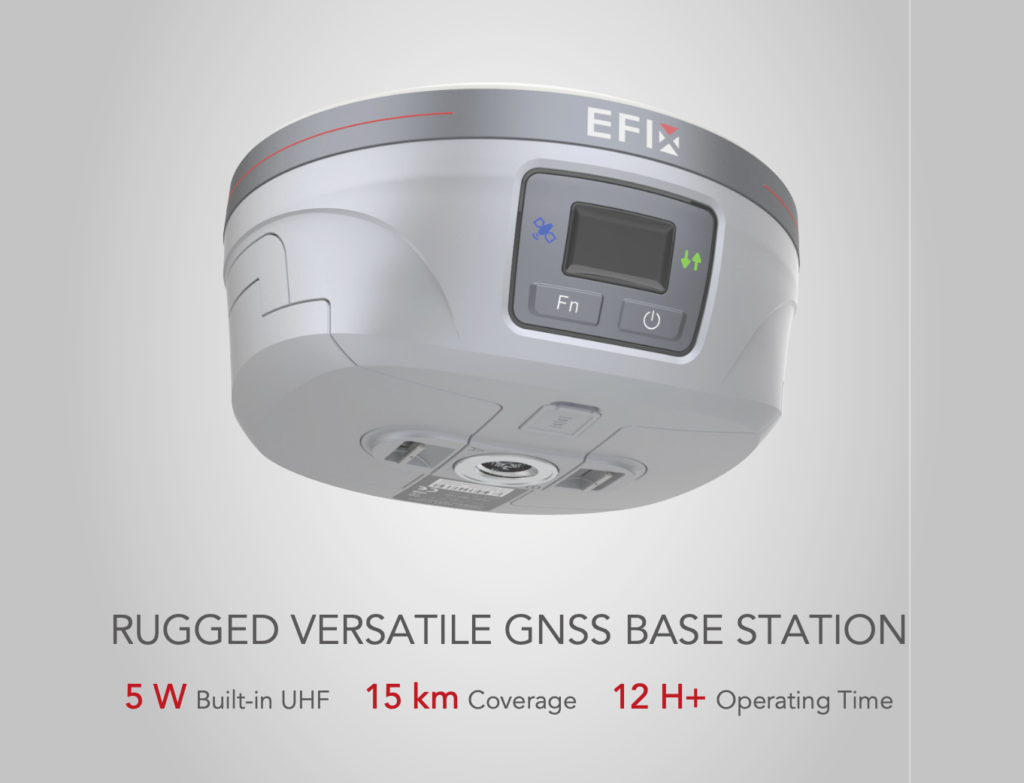
What Makes Portable GNSS Base Stations Stand Out?
Well, for starters, portability. These units can be easily transferred from one location to another. The technology has come a long way, and we now have units that are not just compact but robust—perfect for those unpredictable field conditions. Plus, the ability to connect seamlessly with a gnss receiver enhances the overall efficiency of data collection, making everyone’s life much easier.
Looking Forward: What’s Next?
As we dive deeper into the world of portable GNSS base stations, I must say, the future looks bright. With advancements in satellite technology and the integration of software solutions, operations will run smoother than ever. The accuracy gains are measurable, supporting some unbelievable timelines and project completions. I can’t help but think about how these improvements have been a game changer, especially for farmers here in the West Country. They rely on these systems for everything from planting to harvesting.
Key Takeaways for Evaluation
So, what should you be on the lookout for when selecting a portable GNSS base station? First, evaluate the accuracy level—how reliable is the positioning data it provides? Second, consider the ease of integration with other equipment, especially your gnss receiver. Finally, assess the support and technology behind it—are there updates and improvements to look forward to? Choosing the right system can save a considerable amount of time and money in the long run.
I fondly recall working with a team that initially underestimated the importance of pinpoint accuracy. In hindsight, they learned that the right tools can make a world of difference, turning frustrating days into productive ones. As we wrap up, it’s clear that portable GNSS base stations are not just a trend; they’re a necessity for the modern agricultural world. Equip yourself with knowledge and the best tools, like those from EFIX, and watch your productivity soar!